
A $49 AC Tune-Up Reveals How a 10-Year-Old Attic System in Winchester Is Really Performing
With years of professional experience, you can count on Airtime Plumbing Heating & Air for reliable, proven cooling services in Southern California.
For top-rated air conditioning services in Oceanside and Murrieta, call Airtime Heating & Air or contact us online today.
In Winchester homes, attic HVAC systems usually go months without attention until the first hot stretch of weather hits. The thermostat is lowered. The AC turns on. The house cools eventually. But many homeowners still notice things that make them uneasy:
- Longer times to cool.
- Uneven temperatures.
- Rising energy bills.
- Systems running harder than they used to.
That’s usually when people wonder if the system is still operating correctly or moving toward a major repair.
A 10-Year-Old Attic System Heading Into Another Winchester Summer
That’s what led Ed Begnaud to schedule Airtime Plumbing Heating and Air’s $49 AC tune-up special. His system was installed in 2014 and located in the attic, where HVAC equipment in Inland Southern California often experiences extreme operating temperatures during the summer months.
The system was still running, but after more than a decade, Ed wanted to know how well it was performing. Older attic systems in Winchester and Riverside County often continue operating while:
- Losing cooling efficiency.
- Running longer cycles.
- Developing airflow restrictions.
- Experiencing refrigerant performance drift.
- Operating under higher thermal stress from attic heat.
That’s why tune-ups matter, especially for systems over 10 years old. The goal isn’t just maintenance: it’s understanding the system’s condition before problems become expensive.
Measuring How the System Was Really Operating
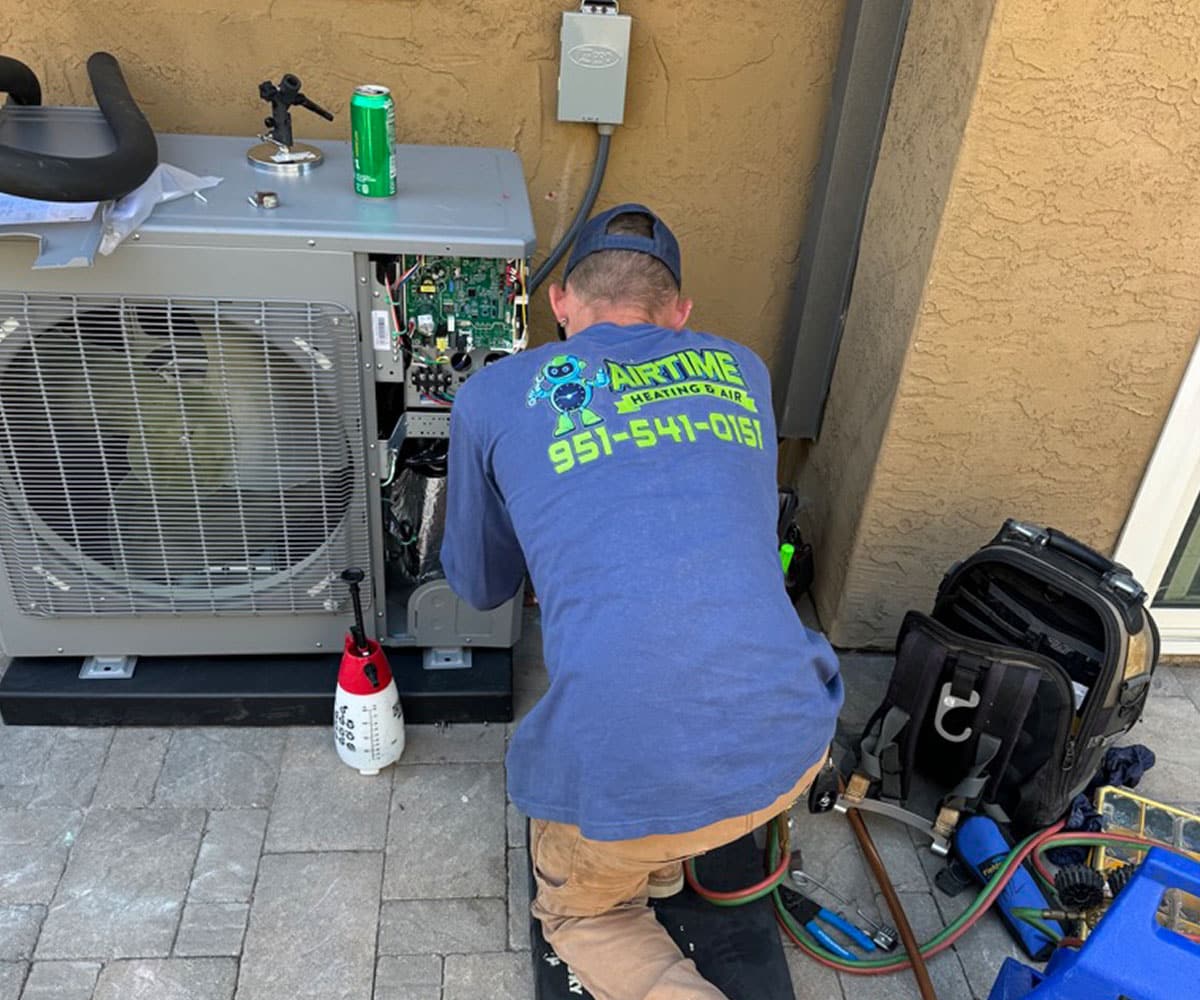
Our technician started with a comprehensive diagnostic evaluation rather than a basic visual inspection. Using digital gauges, temperature probes, and live system measurements, we evaluated how the system was performing under active cooling demand.
The measurements included:
- Supply air temperature: 62.1°F.
- Return air temperature: 78.3°F.
- Measured temperature split: 16.2°F.
- Indoor humidity range: approximately 40% to 64%.
- Refrigerant pressures: 124.4 psig suction / 311.1 psig liquid.
Attic HVAC systems in Winchester operate in high ambient temperatures, placing extra strain on cooling equipment during peak summer demand. These readings help technicians determine whether the system is transferring heat properly, maintaining refrigerant performance, and delivering acceptable cooling operation under load.
Tune-Up, Performance Evaluation, and System Monitoring
As part of the visit, our technician completed the full AC tune-up and operational evaluation of the attic system. The service included:
- Full cooling system inspection.
- Performance testing under active operation.
- Refrigerant pressure measurement and documentation.
- Supply and return temperature analysis.
- Humidity and cooling delivery evaluation.
- Airflow-related system checks.
- Digital recording of system operating conditions for future monitoring.
The refrigerant evaluation process was completed in compliance with EPA refrigerant management regulations under Section 608 of the Clean Air Act. Technicians also ensured airflow and cooling performance were aligned with California Title 24 Building Energy Efficiency Standards.
Rather than waiting for the system to stop cooling, the goal was to establish current performance, identify early warning signs, and give the homeowner a clearer picture of how the system was aging.
For older attic systems in Winchester, this preventive service is especially valuable, as elevated attic temperatures can accelerate wear on HVAC equipment over time. The diagnostic and performance verification process took approximately 2 hours and 20 minutes.
What the Tune-Up Revealed About the System
The system was cooling and producing an acceptable temperature split across the evaporator coil. In residential air conditioning systems, the temperature difference between supply and return air helps indicate whether the system is removing heat effectively from inside the home.
The 16.2°F split showed the system was still producing cooling under operating conditions. Documenting refrigerant pressures, humidity, and airflow temperatures created something equally important: a performance baseline.
That baseline matters because HVAC systems rarely fail all at once. More often, cooling performance slowly changes over time:
- Refrigerant efficiency declines.
- Airflow becomes restricted.
- Components begin operating under higher load.
- Cooling capacity gradually drops.
Without previous readings, homeowners often cannot tell if their system is aging normally or drifting toward failure.
A Clearer Picture of the System’s Health
By the end of the visit, Ed had something most homeowners never get from a simple tune-up: actual performance data.
His system was:
- Actively cooling with a measured 16.2°F temperature split.
- Maintaining documented refrigerant readings during operation.
- Producing measurable cooling performance under load.
- Providing baseline operational data for future maintenance comparisons.
Nothing catastrophic was discovered during the visit. The tune-up accomplished something just as important: it established where the system stands before future issues develop. For homeowners with aging attic systems, this information can help prevent unexpected breakdowns and costly emergency repairs.
Why This Matters for Winchester Homes
In Winchester and throughout Riverside County, attic HVAC systems work under some of the harshest operating conditions in residential construction. During the summer, attic temperatures can rise far above outdoor air temperatures, forcing cooling systems to operate under sustained heat stress for long periods.
Over time, even properly functioning systems can experience:
- Reduced cooling efficiency.
- Increased runtime.
- Higher electrical demand.
- Airflow performance changes.
- Gradual refrigerant performance loss.
Routine tune-ups are less about maintenance and more about tracking how the system ages. For systems over 10 years old, performance testing and trend monitoring become increasingly important.
Find Out How Your AC System Is Really Performing
Airtime Plumbing Heating and Air has 26+ years of experience working on Winchester HVAC systems and keeping them functioning properly.
Our tune-up goes beyond a checklist. We:
- Measure actual system performance.
- Identify early warning signs.
- Document operating conditions correctly.
- Help homeowners understand the true condition of their HVAC system.
If your AC system is old or not keeping up, and especially if it’s located in the attic, a professional tune-up can help you identify performance issues before they become expensive repairs.
Call us today or schedule service online to keep your system running efficiently and understand how your AC is really performing.
FAQs
What is a normal temperature split for an AC system?
Most residential AC systems operate with a temperature split of approximately 16°F to 22°F under normal conditions, depending on humidity and load.
Why are attic HVAC systems harder on equipment?
Attics in areas like Winchester can reach extreme temperatures during summer, forcing HVAC units to operate in much hotter conditions than systems installed elsewhere.
Why document refrigerant pressures during a tune-up?
Refrigerant readings help establish baseline system performance and can reveal changes in cooling efficiency over time.
Can a tune-up help prevent breakdowns?
In many cases, yes. Tune-ups can identify airflow, refrigerant, electrical, or performance faults before they lead to major system failure.
Is a 10-year-old AC system considered old?
Not necessarily, but after 10 years, systems benefit significantly from regular performance monitoring and preventive maintenance.
Service Areas
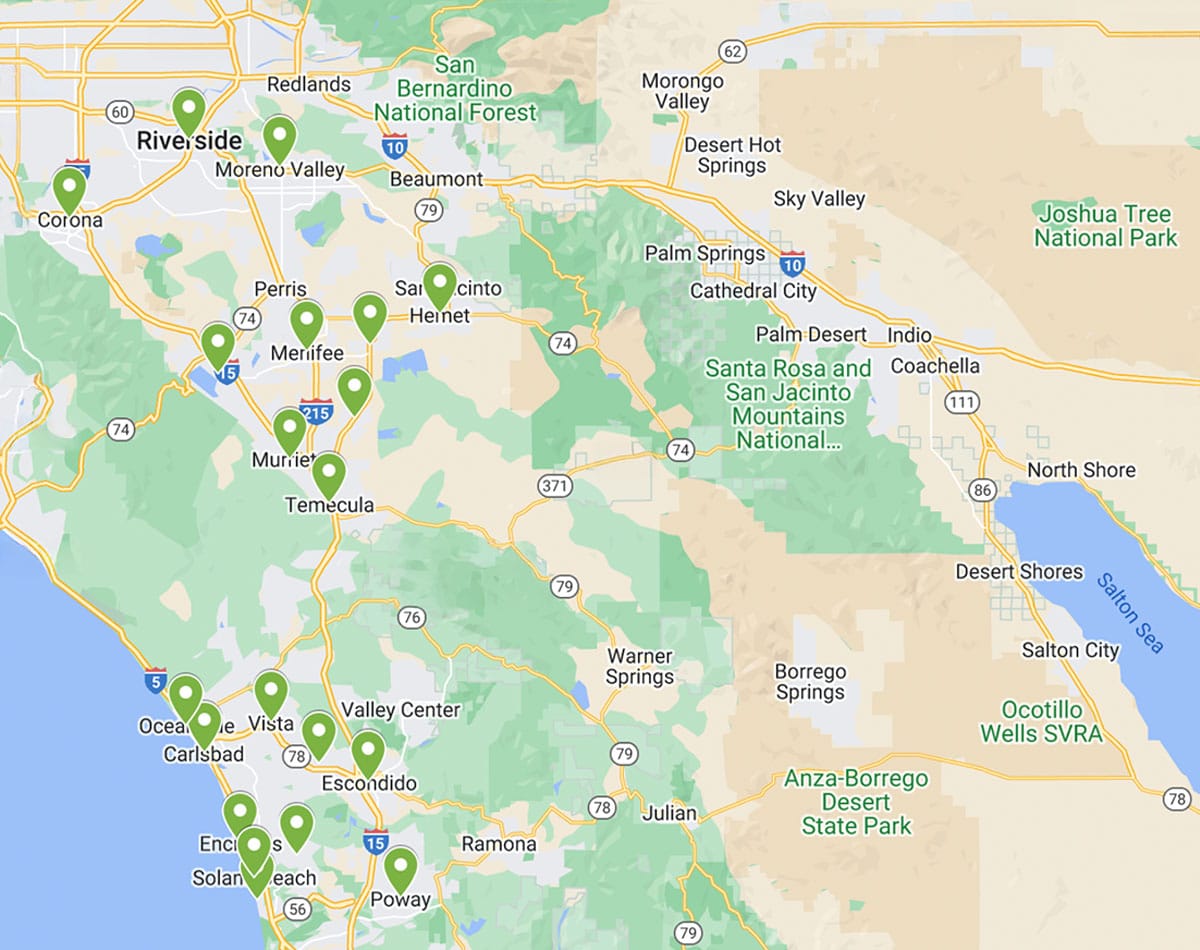
We’ve been helping Murrieta, Oceanside, and other areas in Southern California for years with HVAC needs and when water leaks threaten your home.
- Murrieta
- Oceanside
- Poway
- Rancho Santa Fe
- Riverside
- San Marcos
- Solana Beach
- Temecula
- Vista
- Winchester