
An AC That Turned On But Could Not Cool the House in Carlsbad
With years of professional experience, you can count on Airtime Plumbing Heating & Air for reliable, proven cooling services in Southern California.
For top-rated air conditioning services in Oceanside and Murrieta, call Airtime Heating & Air or contact us online today.
In Carlsbad homes, it’s common for an AC system to appear to run but not deliver air. The thermostat activates, the system powers on, and you hear it running. But nothing comes out of the vents.
This issue is frustrating because it doesn’t seem like a full system failure. It feels like something small, but it completely affects comfort. It typically points to a problem in the indoor unit rather than the outdoor condenser.
The Problem Started With Weak Airflow and a Strange Noise
Victor and Patricia Dalforno, a couple from Carlsbad, noticed their AC system would turn on, but the house wasn’t cooling. There was a humming sound coming from the unit in the closet, but no air was blowing.
Their system was about five years old, installed in 2019, so a full failure didn’t seem likely. They tried the basics first:
- Turning the system off and back on.
- Adjusting the thermostat.
Nothing changed. With rising temperatures, their concern went beyond comfort to whether the system would stop working completely. That’s when they called Airtime Plumbing Heating and Air.
A System That Runs Isn’t Always a System That Works
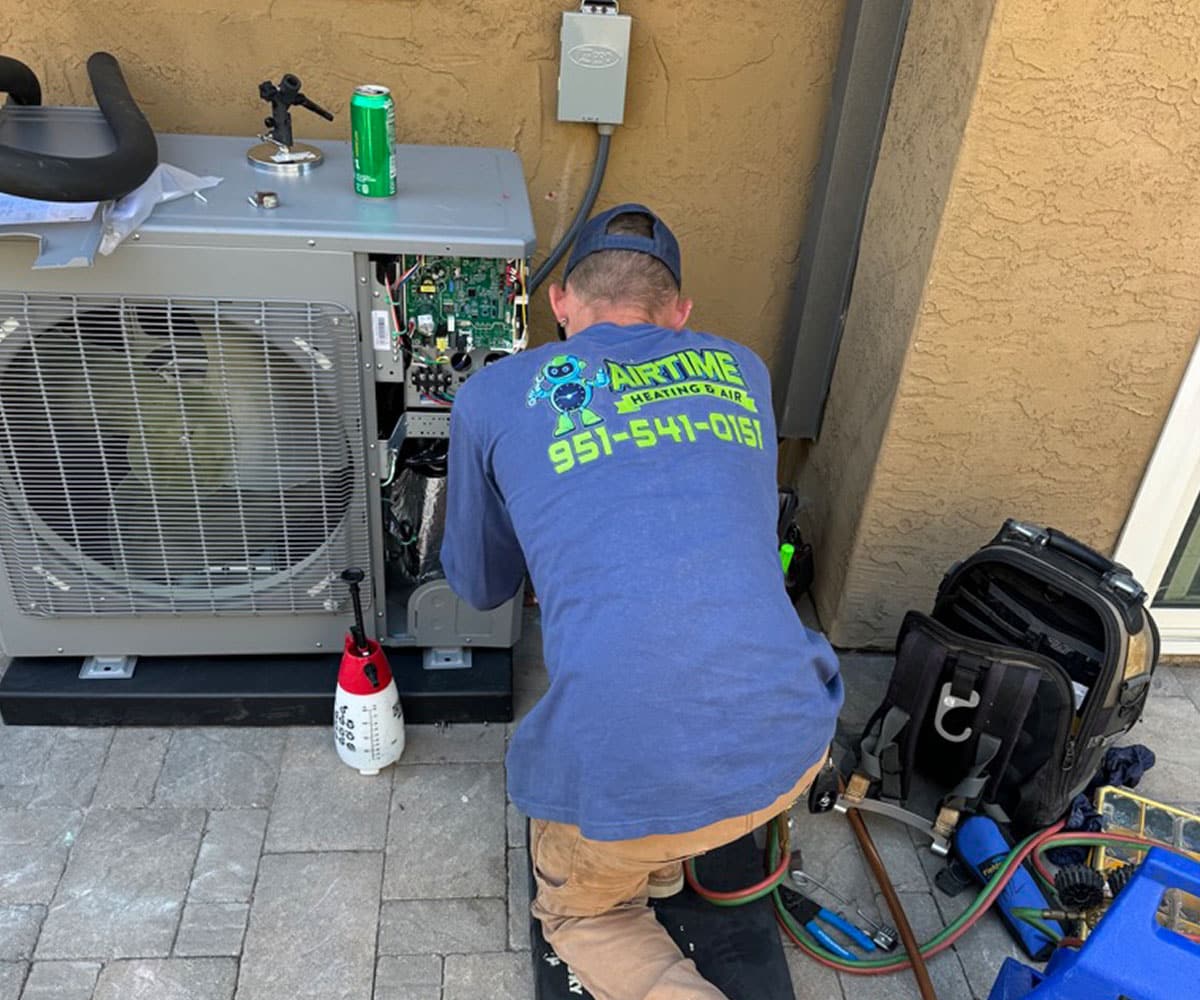
When our technicians, Brayten and Manny, arrived, they started with what the homeowners were experiencing, not assumptions. A system that powers on but doesn’t move air usually indicates a problem with the indoor unit. They began with a full AC diagnostic.
Diagnostic Process: Following the Airflow Path
Our technicians worked through the system step by step instead of jumping to conclusions. They inspected both the indoor and outdoor components, focusing on airflow generation and system response.
The diagnostic included:
- Testing the blower motor function in the FAU by direct-voltage checks and confirming uninterrupted electrical supply to the motor.
- Listening for abnormal sounds.
- Verifying electrical power reaching the indoor unit.
- Inspecting control signals from the thermostat.
- Evaluating system response when cooling was called.
- Confirming the outdoor condenser was activating correctly.
What stood out immediately was the humming noise without airflow. This usually means the indoor unit receives power, but the blower motor is seized, disconnected, or has failed windings, preventing airflow.
What Was Actually Preventing Airflow
The issue was traced back to the indoor system’s inability to properly move air through the home. Although the system turned on and tried to run, the airflow component malfunctioned.
In residential HVAC systems, airflow depends on the proper operation of internal components within the fan coil unit. When those components don’t perform correctly, the system can:
- Run without delivering air.
- Produce humming sounds from energized but non-functioning parts.
- Appear operational but not cool the home.
This matched exactly what Victor and Patricia were experiencing.
The Repair: Restoring Airflow and Stabilizing System Performance
To fix the issue, Brayten and Manny performed a full system repair focused on restoring airflow, stabilizing blower operation, and confirming that the indoor and outdoor equipment operated together under normal cooling demand.
The repair process included:
- Disassembling the indoor fan coil unit (FAU) to isolate the source of the airflow failure.
- Repairing the blower-related components responsible for moving conditioned air through the duct system.
- Servicing internal electrical connections and low-voltage wiring associated with blower operation and indoor unit response.
- Reassembling and securing the indoor unit after repairs were completed.
- Cleaning and servicing affected areas inside the unit to help restore proper airflow and operational efficiency.
Instead of a temporary fix, the goal was to restore reliable operation and reduce repeat airflow problems. The total time to complete the repair and verification process was approximately 1 hour and 30 minutes.
Performance Verification: Confirming the System Was Operating Correctly
Before finishing the visit, Brayten and Manny tested and documented the repair to meet ECC field verification and diagnostic testing (FV&DT) requirements under Title 20 of the California Code of Regulations.
The verification process included:
- Confirming stable blower startup and continuous airflow during cooling demand.
- Verifying consistent communication between the thermostat, indoor unit, and condenser.
- Monitoring airflow delivery through the home after repair.
- Confirming proper cooling cycle sequencing from startup through shutdown.
- Checking that no abnormal humming or interrupted airflow conditions returned during runtime.
- Running the system through extended operation to verify stability under load conditions.
The Result: Airflow Restored, Cooling Back to Normal
After the repair, the difference was immediate. Airflow through the vents was stable, and the home cooled properly again. The system no longer ran without producing results. It operated as it should. Proper troubleshooting quickly resolved the confusing airflow issue and restored home comfort.
Victor and Patricia shared their experience in their Google review:
“Technicians Brayten and Manny went above and beyond to repair our air conditioner. We are very grateful.”
This reflected what mattered most: the issue was fully resolved, and the system worked again before the technicians left.
During the visit, Victor and Patricia chose to enroll in our preventive maintenance plan after seeing how quickly a small airflow issue could affect the home’s comfort. Maintenance plans provide long-term value by helping homeowners:
- Catch worn components before they fail completely.
- Maintain proper airflow and cooling performance.
- Reduce strain on motors and electrical parts.
- Improve system efficiency over time.
- Lower the risk of unexpected breakdowns during high-demand seasons.
Why Airflow Problems Are Common in Carlsbad Systems
In Carlsbad homes, especially coastal areas where HVAC systems run long cooling seasons and operate year-round, indoor airflow issues can develop even in relatively new systems.
Many homeowners first notice it as Victor and Patricia did:
- The AC turns on, but little or no air comes through the vents.
- A humming sound starts coming from the indoor unit.
- Some rooms stay warm even though the system appears to be running.
- The thermostat says the system is cooling, but the house never gets comfortable.
Over time, this can cause wear on blower components, electrical connections, and airflow performance inside the indoor unit. That’s why these situations require a full system diagnostic, not guesswork or random part replacements.
Get Your Airflow and Cooling Back on Track
Airtime Plumbing Heating and Air has over 26 years of experience serving Carlsbad’s HVAC needs. Our trained local experts focus on what the system is actually doing, not just how it looks from the outside.
If your AC turns on but isn’t blowing air, or runs without cooling your home, it’s a sign that something inside the system isn’t working correctly. Checking it early can prevent bigger repairs and restore comfort faster.
Call us today or schedule service online to get a full diagnostic and bring your system back to proper operation.
FAQs
Why is my AC running but not blowing air?
This usually points to an issue with the indoor blower motor or airflow components. The system may have power, but cannot move air through the ducts.
What does a humming sound from my indoor unit mean?
A humming sound often indicates that electrical components are energized, but a motor (like the blower) is not starting or running properly.
Can I fix this by resetting the system?
Sometimes a reset can temporarily restore operation, but if the issue is mechanical or electrical, it will return. A full diagnostic is needed to confirm the cause.
Is this a major repair?
Not always. Many airflow issues can be repaired without replacing the entire system, especially if diagnosed early.
How long does a repair like this take?
Typically, around 1 to 2 hours, depending on the system condition and the exact cause.
Service Areas
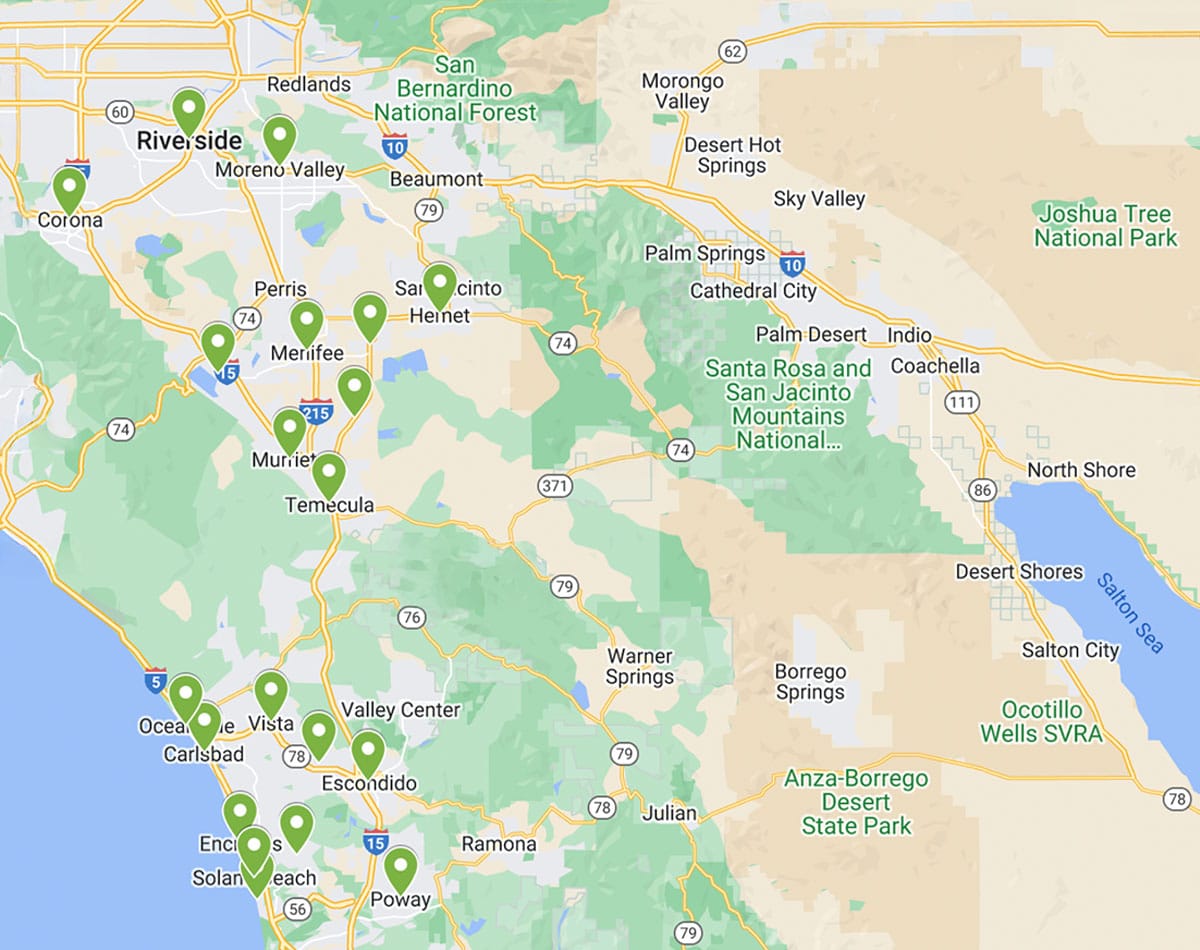
We’ve been helping Murrieta, Oceanside, and other areas in Southern California for years with HVAC needs and when water leaks threaten your home.
- Murrieta
- Oceanside
- Poway
- Rancho Santa Fe
- Riverside
- San Marcos
- Solana Beach
- Temecula
- Vista
- Winchester